
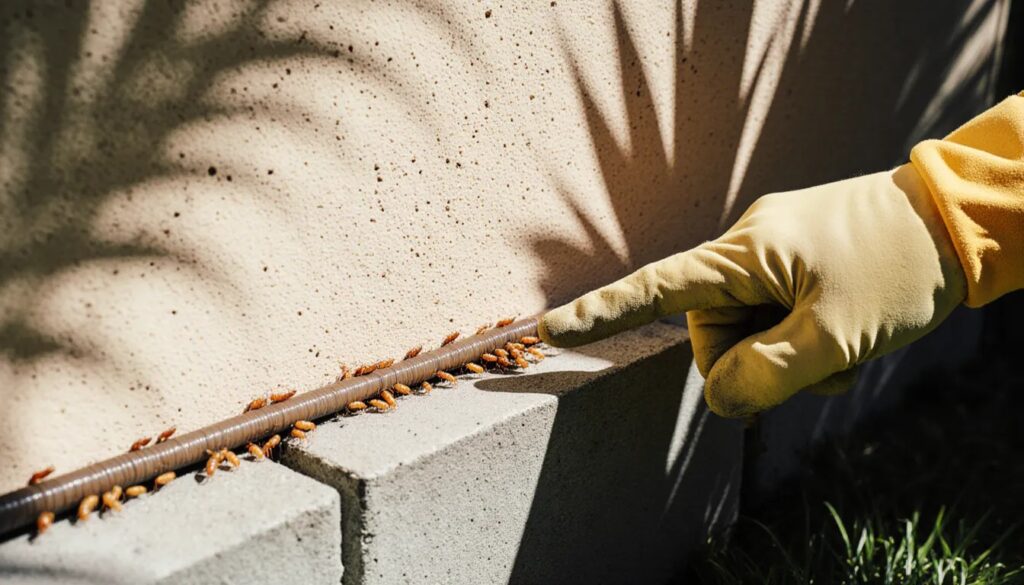
Few states test a homeowner’s patience with pests like Florida. The warmth and humidity that make the state so livable also mean pests never really take a winter off — termites swarm in spring, mosquitoes hum all summer, and a hurricane can push a wave of displaced rodents and insects into your neighborhood overnight. Managing pests here is less about reacting and more about staying ahead of them year-round.
Here is what Florida homeowners are actually up against, and how to keep the most common invaders out.
Quick Answer
Florida’s biggest home pests are subterranean and drywood termites, cockroaches (including palmetto bugs), ants, year-round mosquitoes, and roof and Norway rats. Because there is no winter freeze to knock populations back, prevention is continuous: seal entry points, control moisture, eliminate standing water, and schedule regular professional inspections — especially for termites, which cause the most expensive damage and are not covered by insurance.
Why Florida is a year-round pest state
In most of the country, a hard winter freeze resets pest populations each year. Florida rarely gets one. That single fact changes everything: insects breed continuously, colonies grow larger, and problems that would pause elsewhere simply keep going. Add high humidity, abundant rainfall, sandy soils that suit termites, and a long coastline, and you get one of the most pest-intense environments in the U.S. Hurricanes make it worse by flooding out nests and driving rodents, ants, and roaches toward dry, intact homes — yours.
The termites: Florida’s most costly pest
Termites are the pest that quietly does the most financial damage, and Florida hosts several destructive kinds:
- Eastern subterranean termites — the most widespread, nesting in soil and tunneling up into wood through mud tubes.
- Formosan termites — an aggressive introduced species, common along the coast, with huge colonies that can cause serious structural damage fast.
- Drywood termites — they live inside the wood itself, needing no soil contact, and infest attics, framing, and furniture.
Spring is swarm season, when winged reproductives appear — often the first sign homeowners notice. Because termite damage is gradual and specifically excluded from homeowners insurance, an annual professional termite inspection is one of the best-value protections a Florida homeowner can buy. Learn the warning signs in our guide to signs of a termite infestation, and how termite damage differs from water damage in termite damage vs. water damage.
Cockroaches, ants, and mosquitoes
Beyond termites, three groups keep Florida pest-control companies busy. Cockroaches include the German cockroach (an indoor breeder tied to kitchens and moisture) and the large American cockroach, better known as the palmetto bug, which wanders in from outside especially after rain. Ants — Argentine, ghost, and carpenter among them — form persistent trails toward food and moisture. And mosquitoes breed in any standing water and stay active nearly year-round, carrying real disease pressure; dumping standing water weekly is the single most effective yard step you can take.
Rodents and post-storm pest waves
Roof rats (which travel along wires and branches into attics) and Norway rats are both established in Florida. They squeeze through surprisingly small gaps, chew wiring, and contaminate insulation. After a hurricane or heavy flooding, expect a surge: displaced rodents and insects move toward the driest, most intact structures around. In the days after a storm, it pays to re-check for new entry points and fresh activity. For attic rodents specifically, see our guide on rodents in the attic.
A year-round Florida prevention plan
- Seal the envelope. Caulk gaps around pipes, vents, and the foundation; add door sweeps; screen vents and repair torn window screens.
- Control moisture. Fix leaks, run dehumidifiers in humid spaces, and keep gutters clear — damp wood and standing water attract nearly everything.
- Eliminate standing water weekly in saucers, gutters, and containers to break the mosquito cycle.
- Keep vegetation trimmed back from the house, and store firewood and mulch away from the foundation.
- Schedule professional inspections — termites annually at minimum, plus regular general treatment given the year-round pressure.
A real-world moment
A homeowner near the coast notices what looks like a scattering of discarded insect wings on a windowsill one spring morning — and a few grains of what could be sawdust below the frame. It is easy to sweep up and forget. But those are the calling cards of a termite swarm and possible drywood activity. The homeowners who call for an inspection at that moment often catch a colony before it reaches the framing. The ones who wait for visible structural damage are the ones facing the big bill.
Mistakes to avoid
- Assuming a mild winter means pests will fade — in Florida they do not.
- Ignoring spring termite swarmers or small piles of wings and frass.
- Leaving standing water around the yard, which fuels mosquitoes.
- Expecting homeowners insurance to cover termite or general pest damage — it does not.
- Skipping the post-hurricane check for new pest entry points.
Frequently asked questions
What pests are most common in Florida homes?
The most common are subterranean and drywood termites, cockroaches (including palmetto bugs), ants, year-round mosquitoes, and roof and Norway rats. Florida’s lack of a hard winter freeze lets these pests stay active and breed nearly all year.
How often should Florida homeowners get pest control?
Because of year-round activity, many Florida homes benefit from regular general treatment (often quarterly or bi-monthly) plus an annual termite inspection. Homes near the coast or with past infestations may need closer attention. A local professional can set the right schedule.
Does insurance cover termite damage in Florida?
No. Homeowners insurance treats termite and general pest damage as a preventable maintenance issue, so it is excluded. This is why regular termite inspections matter so much in Florida — the cost of prevention is far lower than repairing structural damage yourself.
Why do pests get worse after a hurricane?
Flooding and storm damage destroy outdoor nests and habitats, driving rodents, ants, and roaches toward dry, intact homes. Standing water left after a storm also fuels a surge in mosquitoes. Re-checking for new entry points after a storm helps keep them out.
What is a palmetto bug?
A palmetto bug is the common Florida name for the American cockroach, a large reddish-brown roach that lives outdoors and wanders indoors, especially after rain or in humid weather. Reducing moisture and sealing entry points is the best way to keep them out.
The bottom line
Florida’s climate means pest control is a year-round habit, not a one-time fix. Seal your home, control moisture, kill standing water, and stay ahead of termites with regular inspections — because the state’s most expensive pest is the one you cannot see and insurance will not cover. Consistency is what keeps a Florida home comfortable.
Looking for local help? Browse pest control companies on Powered By The People and compare them using real, aggregated reviews. Related reading: how much pest control costs in 2026, preventing pest problems, and signs of a termite infestation. More in the pest control section.