
By the time a homeowner calls about pests, the problem is usually months in the making. Termites have been eating studs for two seasons. Mice have been nesting in the attic since fall. Roaches have set up behind the dishwasher. The treatment ends up costing many times what a few preventive habits would have. Prevention isn’t glamorous, but it’s where the real savings live.
Here’s a practical, room-by-room and outside-the-house playbook for keeping pests from ever becoming a problem, plus the regional details that matter.
Quick Answer
The most effective pest prevention is removing what pests need: water, food, and easy entry. Fix leaks and divert water away from the foundation, seal gaps in walls and around pipes, manage food storage and clutter, and keep firewood, vegetation, and mulch away from the house. In high-risk states like Florida and Texas, add an annual professional inspection. Pest damage is rarely covered by insurance, so prevention is the protection.
Why prevention is so much cheaper than treatment
Most serious pest problems start small and invisible: a slow plumbing leak that draws termites, a quarter-inch gap that lets mice in, a stack of cardboard that becomes a roach nursery. Catching and closing those at the source costs almost nothing. Letting them run for a year often means specialty treatments, structural repair, ruined insulation, or a remediation bill that isn’t covered by homeowners insurance because the damage is considered preventable.
The most effective prevention steps
1. Eliminate moisture (this is the big one)
Pests follow water. Fix plumbing leaks promptly, clear gutters and extend downspouts, keep crawl spaces and basements dry, and make sure AC condensate drains away from the foundation. Wet wood is a magnet for termites, carpenter ants, and silverfish, which is why our guide on what to do immediately after water damage doubles as pest prevention.
2. Seal entry points
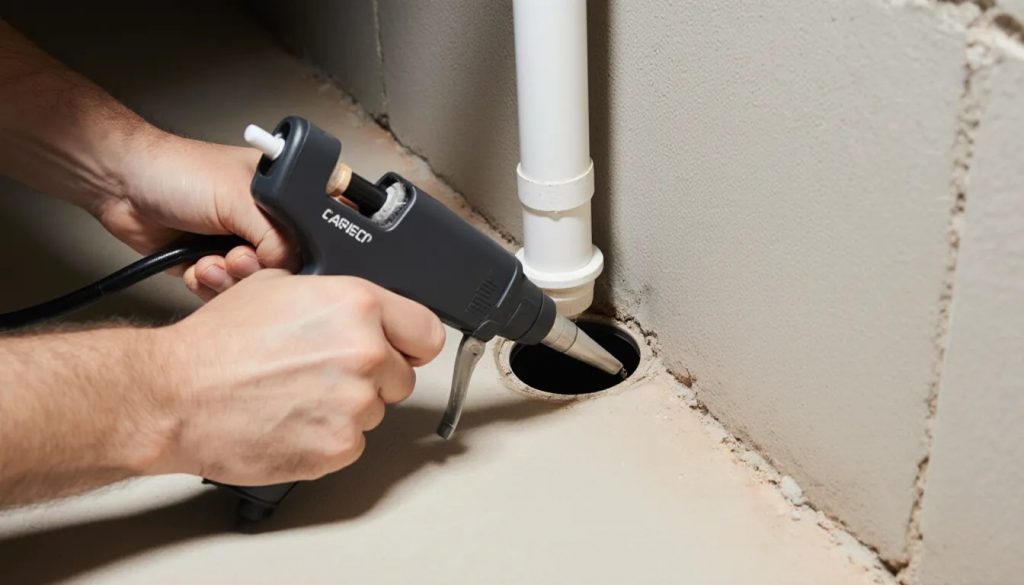
Mice can squeeze through a quarter-inch gap; insects, much less. Walk the exterior and seal cracks in the foundation, gaps where utilities enter, weatherstripping around doors, and openings around dryer vents and AC line sets. Check basement windows and crawl-space vents for torn screens. Spray foam and silicone caulk go a long way.
3. Manage food and clutter inside
Pantry pests, ants, and roaches thrive where food is exposed and clutter offers harborage. Store dry goods in sealed containers, take out trash regularly, wipe up crumbs and spills, and clear out cardboard piles and unused storage. Pet food bowls left out overnight are a common, overlooked draw.
4. Yard and landscaping matter more than you think
Firewood stacked against the house is a termite invitation. Mulch piled against siding holds moisture. Branches touching the roof are a highway for ants and squirrels. Keep firewood at least 20 feet from the house and off the ground, pull mulch back a few inches from siding, and trim shrubs and trees so nothing touches the structure.
5. Storage spaces (basements, garages, attics)
Cardboard boxes invite rodents and roaches; plastic bins do not. Switch storage to sealed plastic, keep contents off the floor, and inspect attics and basements seasonally for droppings, chewed wires, or nesting material. Catching a problem in fall keeps it from becoming a winter infestation.
6. Schedule an annual inspection in high-risk regions
In humid, warm states, prevention almost always includes a yearly pro inspection. Termites in particular are silent and routinely missed by homeowners until structural damage appears. If you’ve spotted any of the signs in our guide on termite warning signs, get an inspection now rather than later.
Pest pressure varies by region
Where you live changes the prevention checklist. In Florida and along the Gulf, year-round warmth and humidity mean subterranean and Formosan termites, palmetto bugs, and intense mosquito pressure; moisture control and an annual termite inspection matter more here than almost anywhere. In Texas, subterranean termites are widespread, and rodents move indoors as weather changes, especially in fall. In California, drywood termites are common along the coast, and drought years routinely push rodents and ants toward homes hunting for water. In New York and New Jersey, dense urban settings drive rats, mice, bedbugs, and cockroaches more than termites, and seasonal swings (warm-weather ant trails, cold-weather rodents) define the calendar. Adjust your prevention focus to your region’s biggest threats.
DIY vs. professional prevention
Homeowners can handle a lot: caulking, decluttering, yard work, gutter maintenance. What’s harder to DIY is the inspection piece: spotting mud tubes in a crawl space, identifying drywood termite frass, or finding rodent entry points behind insulation. A pro brings tools and pattern recognition that catch things a homeowner walks past. The best results usually come from doing the habits yourself and bringing in a pro once a year, or quarterly in high-pressure climates.
A real-world example
A Florida homeowner notices her AC condensate line is dripping under the house. She means to fix it. Two years later, a pro inspection finds the constantly-damp soil under the kitchen has drawn a subterranean termite colony into the joists. The dripping line would have cost $80 to fix; the structural repair runs $14,000. Prevention is rarely dramatic, which is exactly why it gets postponed, and exactly why it pays.
Mistakes to avoid
- Ignoring small leaks. Moisture is the single biggest pest attractant.
- Stacking firewood against the house. Move it 20+ feet away and elevate it.
- Storing in cardboard instead of sealed plastic.
- Skipping annual inspections in high-risk states.
- Assuming insurance will cover pest damage. It almost never does.
Frequently asked questions
What is the most effective form of pest prevention?
Eliminating moisture is the single highest-impact step, because most serious pests follow water. Combine that with sealing entry points, managing food and clutter, keeping vegetation and firewood away from the house, and annual inspections in high-risk regions.
Do I need pest control if I haven’t seen any pests?
In high-risk states like Florida, Texas, Louisiana, and coastal California, yes. Termites and rodents are routinely active long before homeowners notice them, and prevention is far cheaper than damage repair. Elsewhere, a regular DIY routine plus periodic professional inspection is often enough.
Does insurance cover pest damage?
Generally no. Standard homeowners policies treat pest damage as preventable through maintenance, so it is excluded. That makes prevention and early detection the realistic financial protection.
How often should I have a professional pest inspection?
Once a year is reasonable in high-risk climates and before buying any home. Many homeowners in milder regions inspect every two to three years, while properties with prior termite history often go on quarterly monitoring plans.
What attracts pests to a home the most?
Water, food, and shelter, in that order. Moisture from leaks or poor drainage, exposed food and crumbs, and clutter or vegetation that offers harborage are the three biggest invitations.
The bottom line
Pest prevention is unglamorous, cheap, and dramatically effective. Fix the leaks, seal the gaps, manage the clutter, push the firewood and mulch back, and add a professional inspection in high-risk regions. The homeowners who never seem to have pest problems usually aren’t lucky; they’re doing the boring work that keeps pests from getting a foothold in the first place. And because insurance won’t pay for the damage, the prevention is the protection.
Looking for help with prevention or treatment? Browse local pest control providers on Powered By The People using real, aggregated reviews, and confirm any company is licensed and insured before you sign.