
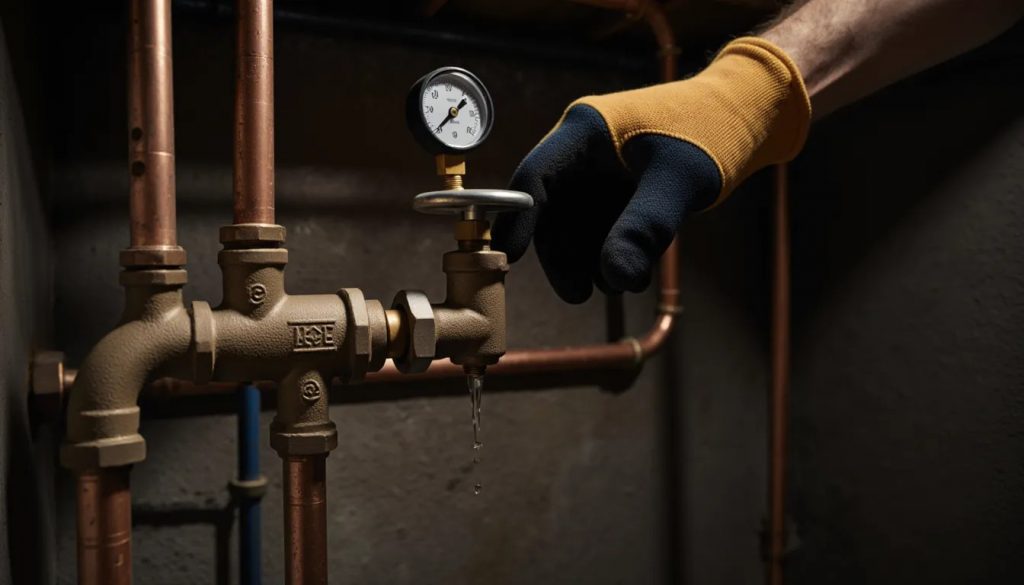
A plumbing emergency can flood a kitchen in minutes and a finished basement in an hour. The first ten minutes matter more than any choice you make about who to call. Knowing where your main shutoff is, what to touch and what not to, and which problems are actually emergencies (versus inconvenient) is what separates a sentence-long story from a five-figure repair.
Here are the most common plumbing emergencies, exactly what to do before help arrives, and how to keep the damage from spiraling.
Quick Answer
In a plumbing emergency, shut off the water at the main valve, kill electricity to any area where water is pooling near outlets or appliances, document the source and damage with photos, and call a licensed plumber, or an emergency line outside business hours. While you wait, contain water with towels and buckets, move belongings out of the wet zone, and start drying with fans. For sewer backups or anything smelling like gas, leave the area and call the appropriate utility or 911.
What actually counts as a plumbing emergency?
Anything actively causing damage or making the home unsafe: a burst pipe, a major leak you can’t stop, a sewer or drain backup pushing wastewater into the home, no water at all in winter (frozen pipes are about to burst if they haven’t already), a water heater leak or rupture, and any suspected gas leak. A slow drip under a sink can wait until morning; a constant spray inside a wall cannot.
What to do in the first ten minutes
1. Locate and close the main water shutoff
This is the single most important step, and it’s a lot easier if you’ve practiced before there’s an emergency. The main valve is usually where the water line enters the house, often in a basement, garage, utility closet, or near an outside foundation wall. Turn it clockwise to close. If your fixture has its own local shutoff (under a sink, behind a toilet, on a water heater), use that for isolated problems.
2. Kill the power if water is anywhere near electrical
If water is pooling near outlets, appliances, electrical panels, or running into ceilings under light fixtures, shut off the breaker for that area. If anything looks unsafe, don’t enter the room until power is off.
3. Document before you clean
Photograph and video the source, the standing water, the damaged drywall and floors, and any wet belongings. This evidence anchors your insurance claim, which is why our guide on filing a water damage insurance claim emphasizes capturing the scene before you start cleaning up.
4. Mitigate further damage
Most policies expect you to limit the loss. Move belongings out of the wet area, mop and vacuum standing water, and get fans moving. Keep receipts for anything you buy to limit the damage; those costs are often reimbursable.
5. Call a licensed, insured plumber
For active emergencies, an emergency line is worth the premium. Be specific when you call: where the water is coming from, what you’ve already shut off, and whether anyone is in the home. A pro arriving prepared saves time on site.
The most common emergencies and what to do
- Burst pipe. Shut off the main, kill power if water is near electrical, and start documenting. Don’t run hot water through suspected frozen pipes; let a plumber thaw them safely.
- Overflowing toilet. Close the toilet’s local shutoff valve behind the bowl. If you can’t, lift the tank lid and lift the flapper or close the fill valve. Avoid further flushes.
- Sewer or drain backup. Stop using water in the house, keep people and pets out of the affected area (wastewater is a biohazard), and call a plumber and your insurer. This often falls under a separate sewer-backup endorsement on insurance.
- Water heater leak or rupture. Close the cold-water supply valve on the heater, and if it’s gas, shut off the gas supply at the heater. Electric heaters: kill the breaker.
- No water in cold weather. Likely a frozen pipe; open faucets slightly to relieve pressure, warm the area around the pipe gently (no torches), and call a plumber if you can’t locate or thaw it safely.
- Smell of gas. Don’t flip switches or use phones inside. Leave the home, then call the gas utility’s emergency line or 911 from outside.
Weather and regional risks
Geography drives most plumbing emergencies. In Texas, severe winter freezes (notably the 2021 event) burst pipes in homes that weren’t designed for prolonged cold, and the same risk applies anywhere unusual freezes hit. In New York, New Jersey, and the Northeast generally, aging infrastructure and freeze cycles make burst pipes and sewer backups common in older housing. In Florida and the Gulf, hurricanes and storms drive water intrusion and sewer backups; saltwater corrosion also wears at fixtures faster. In California, slab-on-grade homes are prone to slab leaks, which often present as warm spots on floors or a sudden water-bill spike. Knowing your region’s failure modes shortens the diagnostic time when something goes wrong.
What insurance usually covers (and doesn’t)
Sudden, accidental damage from a burst pipe or appliance failure is generally covered by homeowners insurance, while gradual leaks and neglected maintenance are not. Sewer or drain backups typically require a separate endorsement, and outside flooding requires a separate flood policy. Document everything, file promptly, and read the full breakdown in our guide on the water damage insurance claim process.
When to call a pro (and when DIY is fine)
Stopping the flow with the main shutoff and mitigating damage are homeowner tasks. Diagnosing and repairing burst pipes inside walls, sewer-line problems, gas-related issues, and water-heater work are pro jobs, both for safety and because shoddy repairs often void insurance claims. When you do hire, get more than one estimate where time allows, and confirm the plumber is licensed and insured.
Mistakes to avoid
- Not knowing where the main shutoff is until you need it.
- Touching electricity around water without killing the breaker first.
- Cleaning before documenting for the insurance claim.
- Pouring hot water on frozen pipes (they can crack from thermal shock).
- Assuming sewer backup is covered without checking your endorsement.
Frequently asked questions
What is considered a plumbing emergency?
Anything actively causing damage or making the home unsafe: a burst pipe, an uncontrolled leak, a sewer or drain backup, a water heater leak or rupture, no water at all in cold weather (likely a frozen pipe), and any suspected gas leak.
What is the first thing to do in a plumbing emergency?
Shut off the main water valve to stop the flow, then kill power to any area where water is near outlets or appliances. Once the situation is contained, document the damage with photos and video and call a licensed plumber.
Does homeowners insurance cover plumbing emergencies?
Sudden, accidental damage like a burst pipe is generally covered, while gradual leaks and neglected maintenance are not. Sewer and drain backups typically require a separate endorsement, and outside flooding needs a separate flood policy.
How do I know if a pipe is going to burst?
Warning signs include no water from a faucet in cold weather, frost on visible pipes, bulging or condensation on pipes, and unexplained warm spots on floors (a possible slab leak). Act before a small problem becomes a flood.
Should I call 911 for a plumbing emergency?
Call 911 or the gas utility for any suspected gas leak; do not flip switches or use a phone inside the building first. For water emergencies, call a licensed plumber, and your insurer once the situation is contained.
The bottom line
Most plumbing emergencies are won or lost in the first ten minutes. Know where your main shutoff is, kill power if water is near anything electrical, document before you clean, and call a licensed pro for everything beyond stopping the flow. If a frozen winter or a hurricane is in your region’s playbook, prepare in advance rather than during the failure. And when you hire, vet the plumber the same way you would any licensed and insured contractor.
Need a plumber? Browse local plumbing companies on Powered By The People using real, aggregated reviews, and confirm any plumber is licensed and insured before you sign.