
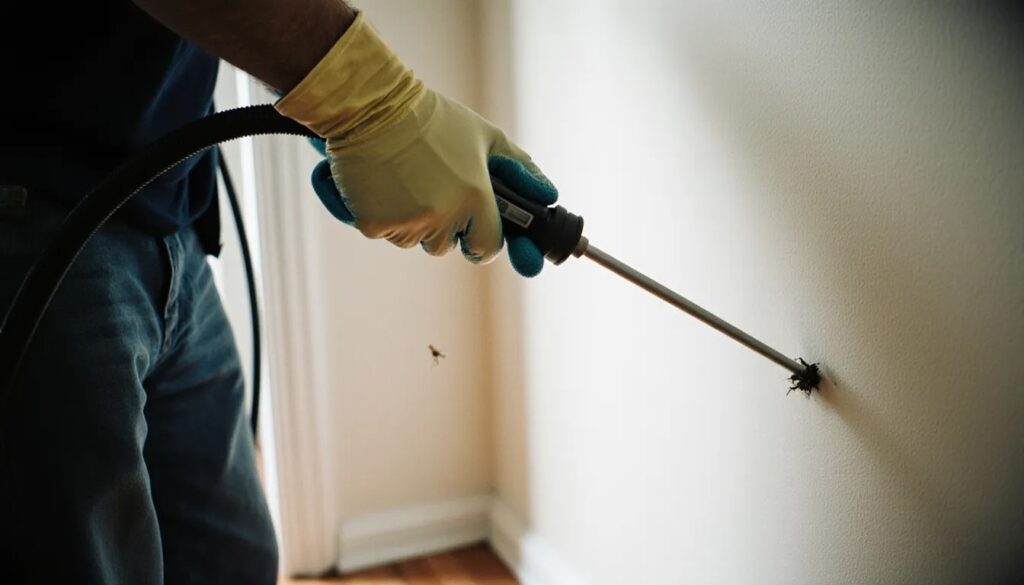
Pest control is one of those parts of homeownership that feels simple until you are standing in the kitchen at midnight wondering how many more there are. This guide pulls the whole subject together: what the common pests are, what treatment costs, how inspections work, when to DIY, and how to choose a company — with links out to detailed guides on each piece. Think of it as the map; the linked articles are the terrain.
Quick Answer
Effective pest control is mostly prevention: remove food, water, shelter, and entry points, and most infestations never start. When pests do appear, identify them correctly, address minor issues early, and call a professional for termites, established infestations, or anything structural. Termites cause the most expensive damage and are not covered by insurance, so regular inspections are the highest-value habit a homeowner can build.
What this guide covers
- What pest control actually is
- What attracts pests
- Termites
- Rodents
- Cockroaches, ants, and mosquitoes
- What pest control costs in 2026
- The prevention playbook
- Inspections
- Insurance and pest damage
- Pests by region
- When to DIY vs. call a pro
- How to choose a pest control company
What pest control actually is
Pest control is the ongoing management of the insects and animals that damage homes or threaten health — not a single spray, but a cycle of prevention, monitoring, and targeted treatment. Modern practice leans on “integrated pest management”: reduce what attracts pests, seal them out, monitor for activity, and apply treatments precisely where needed rather than blanketing a home in chemicals. It is the difference between reacting to pests and denying them a reason to come.
What attracts pests
Nearly every pest is after one of four things: food, water, shelter, or easy access. Crumbs and unsecured trash, leaks and humidity, clutter and vegetation, and gaps around pipes and doors are the standing invitations. Removing them prevents more infestations than any treatment applied afterward. Full detail: what attracts pests to your home.
Termites
Termites are the costliest home pest because they eat structural wood quietly, often for a long time before discovery. Subterranean termites nest in soil and tunnel up through mud tubes; drywood termites live inside the wood itself. Warning signs include swarms of winged reproductives in spring, mud tubes, hollow-sounding wood, and small piles of frass. Because the damage is gradual, insurance excludes it — making annual inspection the key protection. Full detail: signs of a termite infestation and termite damage vs. water damage.
Rodents
Mice and rats seek warmth, food, and shelter, and attics are a favorite target — roof rats in particular climb branches and wires straight in. They chew wiring (a fire risk), contaminate insulation, and breed quickly. Removal is a sequence: trap what is inside, then seal every entry point, because exclusion is what keeps them from returning. Full detail: rodents in the attic.
Cockroaches, ants, and mosquitoes
These three keep pest-control companies busiest. Cockroaches — German (indoor, moisture-tied) and American (the large palmetto bug) — signal moisture and food access, and can trigger allergies and asthma. Ants form persistent trails toward food and water; the fix is following the trail to its source and cutting off both. Mosquitoes breed in any standing water, so eliminating it weekly is the single most effective yard step. For all three, moisture control and sanitation do most of the work.
What pest control costs in 2026
Pricing depends on the pest, the severity, the home’s size, and whether you choose one-time or recurring service. A single general treatment is relatively modest; recurring quarterly plans spread cost across the year; and specialized work like termite treatment or rodent exclusion costs more because of the labor and materials involved. Get itemized quotes and understand exactly what a plan includes. Full detail: how much pest control costs in 2026.
The prevention playbook
Prevention is the cheapest pest control there is. The core habits: store food and trash in sealed containers; fix leaks and reduce humidity; eliminate standing water weekly; declutter and keep vegetation and firewood away from the foundation; and seal cracks, vents, and gaps around utility penetrations. Done consistently, these remove the food, water, shelter, and access pests depend on. Full detail: preventing pest problems.
Inspections
A professional inspection catches what homeowners miss — early termite activity, rodent entry points, moisture conducive conditions — before they become expensive. Annual termite inspections are especially worthwhile, and many buyers order a pest inspection before purchasing an older home. Think of inspections as cheap insurance against the pests whose damage is not actually insured.
Insurance and pest damage
This one is simple and important: homeowners insurance does not cover termite or general pest damage, because it is considered preventable through maintenance. That is precisely why prevention and inspection matter so much — the cost of avoiding an infestation is far lower than repairing structural damage you will pay for out of pocket.
Pests by region
Climate shapes your pest pressure. Florida and the Gulf states face year-round activity with heavy termite and mosquito pressure and post-hurricane surges. Texas adds fire ants and scorpions to termite and rodent concerns. California deals with drywood termites, Argentine ant supercolonies, and drought-driven rodent movement. New York and the Northeast contend with rats, bed bugs in dense housing, and ticks in the suburbs. Knowing your regional pattern focuses your prevention. Full example: pest control for Florida homes.
When to DIY vs. call a pro
Homeowners can handle plenty: baiting an ant trail, setting traps for a lone mouse, reducing moisture and clutter, and sealing gaps. Call a professional for termites (which need specialized treatment), established or recurring infestations, rodent problems involving chewed wiring, stinging-insect nests, or anything where the treatment itself carries risk. The rule of thumb: if the problem is structural, spreading, or hazardous, bring in a pro.
How to choose a pest control company
Verify licensing yourself — pest control is state-regulated — and do not rely on a company’s own assurances alone. Ask what a plan actually includes, whether treatments are targeted, and how they handle follow-up. Get more than one quote for major work, and be wary of high-pressure upsells. Reviews help you judge reliability, but confirm credentials with your state regulator. The same hiring principles apply as for any contractor: see how to verify a contractor is licensed and insured and contractor scam red flags.
Frequently asked questions
What is the most important part of pest control?
Prevention. Removing food, water, shelter, and entry points stops most infestations before they start and prevents far more problems than treatment applied afterward. The highest-impact steps are controlling moisture, sealing gaps, and storing food and trash securely.
How often should I get professional pest control?
It depends on your region and history. Many homes do well with quarterly general service plus an annual termite inspection; humid, high-pressure areas like Florida may need more. A one-time treatment can address a specific problem, but recurring service prevents recurrence.
Does homeowners insurance cover pest damage?
No. Insurance treats termite and general pest damage as a preventable maintenance issue, so it is excluded. This is why regular inspections and prevention matter — the repair cost falls entirely on you, and it can be substantial with termites.
What pests should always be handled by a professional?
Termites, established or recurring infestations, rodent problems involving chewed wiring, stinging-insect nests, and any situation where treatment carries risk are best left to licensed professionals. Structural, spreading, or hazardous problems all warrant a pro.
How do I choose a good pest control company?
Verify the company’s license with your state regulator yourself, ask exactly what a plan includes and how follow-up works, get more than one quote for major jobs, and avoid high-pressure sales tactics. Reviews help gauge reliability, but confirm credentials directly.
The bottom line
Good pest control is mostly good habits: deny pests food, water, shelter, and access, watch for early signs, and bring in a professional for the problems that are structural or hazardous — especially termites, whose damage insurance will never cover. Build prevention into your routine and the emergencies become rare.
Ready to find local help? Browse pest control companies on Powered By The People and compare them using real, aggregated reviews. Follow the detailed guides linked throughout, and find more in the pest control section.