
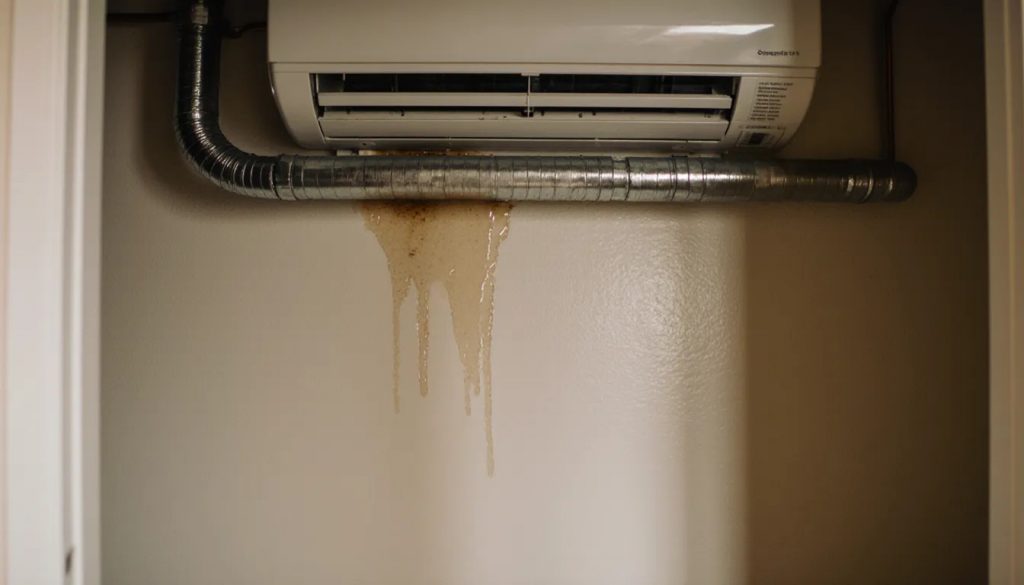
Most water-damage stories start with a dramatic event: a burst pipe, a flooded basement, a roof torn off in a hurricane. In humid climates, a different story is playing out at the same time, slower and quieter. Months of high indoor humidity, a half-fixed AC condensate line, or a crawl space that never quite dries out can do as much damage as a burst pipe, with the added “bonus” that insurance is far less likely to cover it.
Here’s how humidity-driven water damage works, why some regions see it more than others, and what homeowners can do to keep it from becoming a structural problem.
Quick Answer
In humid climates, water damage often comes from sustained indoor humidity (typically above 60% relative humidity), AC condensation, small leaks, and post-storm moisture rather than dramatic floods. The result is mold, swollen and warped wood, ruined insulation, and rot, often hidden behind finishes. Florida, the Gulf Coast, and the Southeast face the highest risk. Control humidity with proper AC sizing, dehumidifiers, ventilation, and fast drying after any water event, because insurance typically excludes “gradual” humidity damage.
What humid-climate water damage actually looks like
Sudden water damage is the burst-pipe kind: dramatic, obvious, and usually covered by insurance because it’s “sudden and accidental.” Humid-climate water damage is the opposite. It accumulates over weeks or months in places no one looks, fed by warm, moisture-heavy air or a tiny drip. By the time stains, smells, or warped surfaces appear, the framing or insulation behind the finish has often already taken damage, and the underlying cause counts as the “gradual” damage most policies exclude.
How humidity damages a home
Anything organic that stays damp long enough will grow mold; mold can establish within 24 to 48 hours of moisture exposure. Wood swells, then warps. Drywall paper feeds mold readily. Insulation matted with moisture loses R-value and harbors growth. HVAC ducts that sweat in unconditioned spaces grow mold inside, then distribute spores back through the house. None of this requires a dramatic leak. A summer of 70% relative humidity in a closed-up vacation home, or a slow AC condensate drip, can do it.
Where it hits hardest in a home
- Bathrooms without good ventilation, where steam lingers.
- Basements and crawl spaces where humidity collects against cool surfaces and condenses.
- Attics with poor ventilation, where moist air meets cold sheathing in winter and bakes in summer.
- Behind appliances and kitchen cabinetry where small leaks evaporate slowly.
- AC closets and condensate lines, a leading source of slow indoor water damage in humid states.
- Wall cavities near showers, washers, and exterior penetrations.
Why humid regions see more of it
Three factors compound: outdoor humidity that’s hard to keep out of the building, AC systems that run more and produce more condensate, and warm temperatures that accelerate mold and decay. Add hurricane and storm flooding that leaves attics, crawl spaces, and wall cavities damp for days, and the math gets ugly fast.
Humid-climate water damage by state
The risk profile shifts by region. In Florida, year-round humidity, AC condensate issues, and recurring hurricane exposure make humidity-driven water damage one of the most common reasons homeowners need restoration. Bathrooms, AC closets, and attic insulation are the usual victims, with widespread post-storm mold a recurring story along the Gulf and Atlantic coasts. Texas sees a similar pattern along the Gulf, plus inland post-flood mold after major rain events. Louisiana and the lower Mississippi Valley combine humidity with frequent flooding, intensifying both the speed of mold growth and the difficulty of drying out structures. South Carolina, Georgia, and the broader Southeast share most of the same exposures. Farther north, New Jersey and parts of New York see humid summers that drive damp-basement issues, even though the climate is technically “temperate.” Knowing which mechanism dominates in your state shapes what you actually need to prevent.
How to keep humidity damage from happening
Three habits handle most of it. First, control indoor humidity by sizing AC properly, running it consistently in season, and adding dehumidifiers in basements and crawl spaces. Aim for 30 to 50 percent relative humidity year-round. Second, ventilate bathrooms, attics, and crawl spaces so moisture can leave instead of condensing. Third, fix small leaks immediately, including AC condensate. The cheapest water damage is the kind you head off in the first 24 hours; our guide on what to do immediately after water damage applies to slow leaks, too.
What insurance usually covers (and doesn’t)
This is where humid-climate damage gets painful. Standard homeowners insurance generally covers sudden, accidental water damage, like a burst pipe or storm-driven roof leak. It generally excludes damage attributed to humidity, slow leaks, or deferred maintenance. Mold from a covered sudden event may be partially covered but is usually capped. Outside flooding requires a separate flood policy. Documenting the exact moment you discovered the moisture and acting quickly is the homeowner’s strongest position; our guide on filing a water damage insurance claim walks through the process in detail.
A real-world example
A Tampa homeowner’s AC closet drips slowly all summer. By October, the wall behind the air handler is soft, and a musty smell follows the AC’s return air. A pro finds active mold across the cavity and into adjacent insulation. The repair runs $5,800. The homeowner’s insurer denies the claim as “gradual” damage from a maintenance issue. A $90 service call in May would have caught it. The same scenario plays out in Houston after a storm, in Charleston in mid-summer, and in basement-prone houses in the New Jersey suburbs.
Mistakes to avoid
- Ignoring the AC closet as a possible water source.
- Closing up a vacation home without humidity control.
- Skipping bathroom ventilation in a humid climate.
- Letting “small” leaks run when humidity makes them catastrophic.
- Assuming insurance will cover humidity-driven damage.
Frequently asked questions
How does humidity cause water damage in a home?
Sustained high indoor humidity (above about 60 percent relative humidity) keeps building materials damp long enough for mold to grow, wood to swell and warp, insulation to fail, and rot to start. Add condensation, AC drips, and small leaks and the damage compounds over weeks rather than minutes.
What states see the most humidity-related water damage?
Florida, the Gulf Coast (especially Louisiana and coastal Texas), and the broader Southeast see the highest year-round risk. Humid summers in parts of the Northeast and Midwest can drive basement and bathroom issues, even though those climates are not classified as tropical.
Does homeowners insurance cover humidity damage?
Usually not. Insurers treat humidity-driven and gradual water damage as a maintenance issue and exclude it. Damage from a sudden covered event (burst pipe, storm leak) may be covered, including limited mold remediation, but humidity itself is rarely a covered cause.
What humidity level prevents water damage?
Aim for 30 to 50 percent indoor relative humidity year-round. Below that, materials dry out and can crack; above 60 percent for sustained periods, mold and rot become real risks.
How do I check for humidity-related water damage?
Look for musty smells, warped trim, peeling paint near showers and exterior walls, condensation on windows and ducts, AC closets that drip, and any bathroom or basement that feels damp. Trust your nose, and consider a moisture-meter inspection in suspect rooms.
The bottom line
In humid climates, water damage usually arrives quietly: a season of high indoor humidity, a slow AC drip, a storm that leaves insulation wet for a week. Control humidity, ventilate, and fix small leaks immediately, because insurance won’t bail you out when the damage is “gradual.” A dehumidifier and an annual AC condensate check are the cheapest insurance you can buy in Florida, the Gulf, and the Southeast.
Dealing with humidity-driven water damage? Browse local water damage restoration companies on Powered By The People using real, aggregated reviews, and confirm any company is licensed and insured before you sign.