
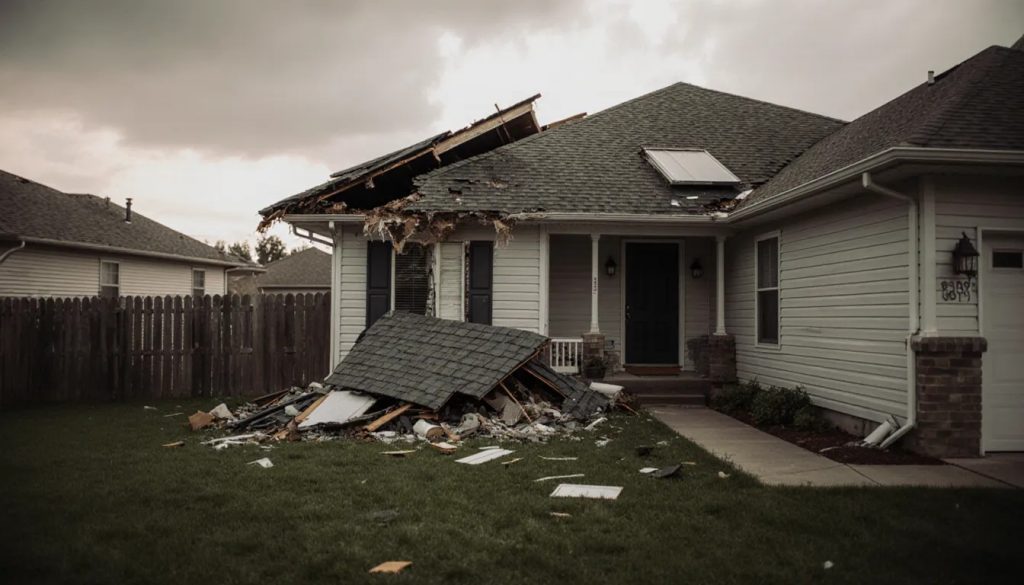
A storm rolls through, and by the time it clears you’re looking up at missing shingles, a dented gutter, or a water stain spreading across the ceiling. What you do next, and who you let onto your roof, can mean the difference between a smooth insurance-backed repair and a drained bank account. The pressure is real, but the right moves are simple once you know them.
Here’s how to respond to storm roof damage the smart way, how to document it so your claim holds up, and how to spot the storm chasers who follow bad weather into town.
Quick Answer
After storm roof damage, stay safe and document everything with photos and video before any repairs, then notify your insurer promptly. Arrange emergency tarping to prevent further damage (often reimbursable), get an independent inspection from a local roofer, and file your claim. Avoid out-of-town “storm chasers” who pressure you to sign on the spot, offer to cover your deductible, or ask you to sign over your insurance rights. Wind and hail damage is usually covered, but gradual wear is not.
What counts as storm roof damage?
Insurers generally cover roof damage that’s sudden and weather-driven: wind that tears or lifts shingles, hail that bruises or cracks them, and impact from falling limbs. What they typically won’t cover is damage from age, wear, or neglected maintenance, because that’s considered the homeowner’s responsibility. The line between “storm damage” and “old roof” is exactly where claims get contested, which is why documentation matters so much.
What to do after storm roof damage
1. Stay safe first
Don’t climb onto a wet or damaged roof. Assess from the ground or an upstairs window, and watch for downed power lines and sagging ceilings inside, which can signal trapped water.
2. Document before you touch anything
Take wide shots showing the whole roof in context and close-ups of specific damage, plus video of any interior leaks and water stains. This evidence is the backbone of your claim, so capture it before any temporary repairs change the scene.
3. Prevent further damage
Most policies expect you to limit additional damage, and emergency roof tarping is usually treated as a reasonable, reimbursable step. Notify your insurer before or right as you arrange tarping, keep receipts, and photograph the damage again once the tarp is on.
4. Get an independent inspection
Have a local, established roofer inspect and estimate the damage. Many homeowners find it helpful to have that roofer present when the insurance adjuster visits, so the full scope of storm damage gets captured fairly.
5. File your claim promptly
Report the loss to your insurer as soon as you reasonably can, with your photos, video, and the roofer’s estimate. The same documentation discipline that helps a roof claim applies to interior water damage too, which we cover in our guide on filing a water damage insurance claim.
Watch out for storm-chaser scams
After a big storm, out-of-town crews flood the area knocking on doors. Some are legitimate; many are not. The warning signs are consistent: out-of-state plates and no permanent local address, aggressive pressure to sign immediately, and contracts full of fine print. Two tactics in particular should end the conversation:
- “We’ll cover your deductible.” A contractor who offers to waive or absorb your insurance deductible is committing insurance fraud, and they’re dragging you into it.
- Signing over your insurance rights. Be very wary of any document (sometimes called an assignment of benefits) that hands your claim and settlement control to the contractor.
It’s also worth knowing that only you, a licensed public adjuster, or an attorney can legally negotiate your claim with the insurer, not a roofing salesperson. There have even been cases of crews faking hail or wind damage to manufacture a claim. The safest response to a door-knock is simple: tell them you’ll call your own roofer and insurer, and don’t sign anything on the porch. The warning signs overlap heavily with the broader contractor scam red flags worth knowing before any repair.
Does insurance cover storm roof damage?
Most standard homeowners policies cover wind and hail damage, though the details vary and many storm-prone regions carry a separate, higher wind or hail deductible. Two coverage terms matter: with replacement cost value, the insurer typically pays in two stages, an initial check and the remainder once repairs are underway, while actual cash value deducts depreciation for the age of your roof. Know which you have before you file. Policies also expect prompt notice, often within days, so don’t sit on it. Before hiring anyone, confirm you’re dealing with a licensed and insured contractor.
Where storms hit hardest
Geography shapes the risk. Much of Texas and the Plains sit in hail alley, where spring storms can dent an entire neighborhood’s roofs overnight and draw the largest waves of storm chasers. Florida and the Gulf Coast face hurricane-force wind that strips shingles and drives rain under what’s left. Colorado and the upper Midwest see punishing hail seasons of their own. In all of these places, the pattern is the same: the storm passes, the door-knockers arrive within days, and the homeowners who slow down to document and verify come out ahead.
A real-world example
Picture a hailstorm that moves through a Texas suburb on a Saturday. By Sunday, trucks with out-of-state plates are working the street, and one salesperson offers to “handle everything with insurance” and cover the deductible if you sign today. The homeowner who declines, photographs the roof, calls a local roofer for an inspection, and files the claim themselves ends up with a fair, fully documented repair. The neighbor who signed on the spot is still chasing a crew that never came back.
Mistakes to avoid
- Climbing onto a damaged roof instead of documenting from a safe vantage point.
- Making permanent repairs before the adjuster sees the damage.
- Signing a contract or assignment of benefits with a door-knocker on the spot.
- Taking the “deductible deal.” It’s fraud, and you’re the one exposed.
- Waiting too long to file, which can run past policy deadlines.
Frequently asked questions
Is storm roof damage covered by homeowners insurance?
Wind and hail damage is typically covered by standard homeowners policies, though specifics vary by carrier and many storm-prone areas carry a separate wind or hail deductible. Damage from age, wear, or neglected maintenance is generally not covered.
What should I do first after a storm damages my roof?
Once it is safe, document the damage with photos and video before any repairs, then notify your insurer promptly. Arrange emergency tarping to prevent further damage and keep your receipts.
What is a storm chaser?
A storm chaser is an out-of-town contractor who appears door-to-door right after a storm offering fast repairs. Some are legitimate, but the model attracts operators who pressure you to sign and then disappear.
Should I accept a roofer who offers to cover my deductible?
No. A contractor offering to waive or absorb your insurance deductible is committing insurance fraud, and it puts you at legal and financial risk too.
Who can negotiate my roof insurance claim?
Only you, a licensed public adjuster, or an attorney can legally negotiate your claim with the insurer. A roofing contractor or salesperson cannot.
How long do I have to file a storm roof claim?
Policies typically require prompt notice, often within days, and many states set filing deadlines. File as soon as you reasonably can after documenting the damage.
The bottom line
Storm roof damage rewards a calm, documented response. Stay safe, photograph everything before repairs, tarp to prevent further damage, get an independent local inspection, and file promptly. Then steer clear of the high-pressure storm chasers, especially anyone offering to cover your deductible or asking you to sign over your insurance rights. The honest local roofers will still be there next week.
When you’re ready to repair, confirm you’re hiring a licensed, insured roofer, and you can compare local contractors on Powered By The People using real, aggregated reviews.