
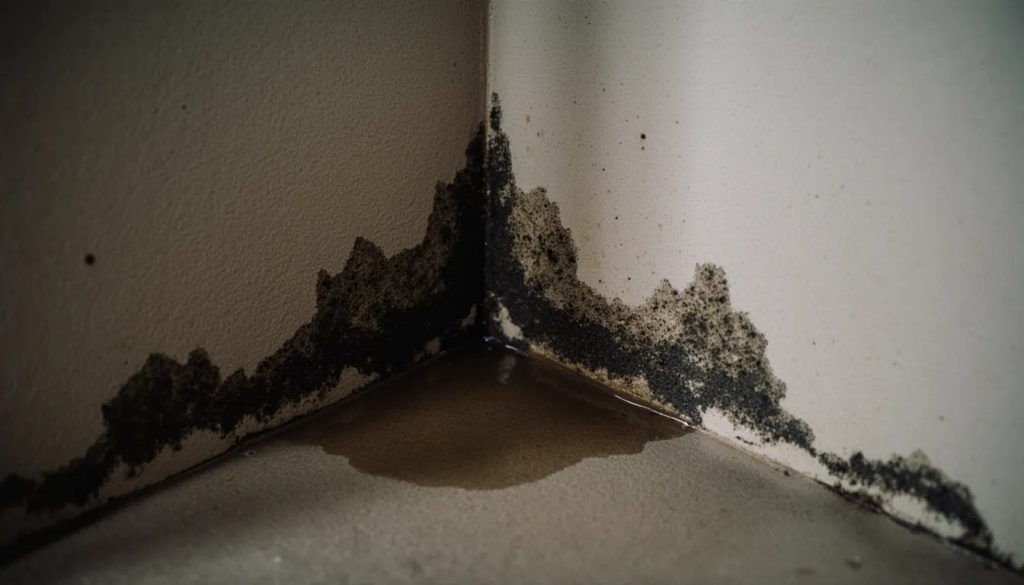
Mold rarely shows up dramatically. It usually starts small, in places you don’t see, fed by a slow leak or stretched-out humidity, and by the time you notice a spot on the wall or a smell that won’t go away, it has been working for weeks or months. Catching the early signals is what keeps a fixable problem from becoming a remediation bill and a health concern.
Here are the most reliable signs of hidden mold in a home, where it likes to live, and how to know when it’s time to call a pro.
Quick Answer
The most common signs of hidden mold are a persistent musty smell, allergy or respiratory symptoms that get better when you leave the house, a history of leaks or flooding (even minor), dark spots in damp areas like basements and bathrooms, peeling paint or warped wood, condensation on windows or walls, and visible mold in unusual places. If any of these apply, especially in humid regions, an inspection is worth more than a wait-and-see approach.
Why hidden mold matters
Mold spores are everywhere, but a real colony needs moisture, organic material (like drywall or wood), and time. Once it’s growing, it slowly damages building materials and can contribute to coughing, sneezing, headaches, asthma flare-ups, and worse for people with mold sensitivities or respiratory conditions. The longer it goes, the bigger the remediation, and the higher the chance insurance balks at the claim because the leak that caused it counts as “gradual.” Catching it early protects both your house and your wallet.
The signs of hidden mold
1. A persistent musty smell
That damp, earthy odor that doesn’t go away with cleaning is one of the most reliable early signals. Mold has a distinctive smell, and your nose often catches it before any visual clue. Pay attention if the smell is worst in a basement, crawl space, closet, or near a bathroom or laundry area.
2. Allergy or respiratory symptoms that ease when you leave
Headaches, congestion, sneezing, eye irritation, or asthma flare-ups that improve when you’re away from the house, and return when you come back, are a meaningful pattern. Not every case is mold, but it’s high on the differential, especially in damp homes.
3. A history of leaks, flooding, or chronic humidity
A burst pipe two years ago, a basement that took on water during a hurricane, an AC that overflowed once, all of these can seed mold inside walls or under flooring that doesn’t surface for months. If your home has a water history, even a small one, hidden mold is a reasonable thing to rule out. Our guide on what to do immediately after water damage covers the drying that prevents it.
4. Dark spots in damp areas
Small black, green, or brown spots clustering in bathrooms, basements, around windows, under sinks, or near HVAC vents are often visible mold. They sometimes look like dirt and get cleaned away, only to return because the colony underneath is still alive.
5. Peeling paint, blistering, or warped wood
Trapped moisture pushes finishes off the wall and warps wood from the back. Paint that bubbles in a bathroom, baseboards that have warped at the bottom, or wallpaper peeling at the seams in humid spots is often a sign of moisture, mold, or both.
6. Condensation on windows, walls, or pipes
Persistent indoor condensation means the air is holding more moisture than it should. Over time, that’s a mold setup. It matters most in basements, crawl spaces, and rooms where humidity gets trapped.
7. Visible mold in unusual places
A patch of mold on the ceiling above a closet, in the corner of a bedroom that doesn’t seem damp, or on the underside of a sink cabinet usually points to a hidden moisture source nearby. Treat visible spots as a clue, not the whole problem.
Where hidden mold likes to live
Mold prefers dark, damp, undisturbed places. The usual suspects: basements and crawl spaces, under bathroom tile, behind drywall near plumbing, inside HVAC ducts and around AC units, around windows with condensation, under carpets in below-grade rooms, and under leaky roofs in attic insulation. A pro inspection is built around walking these specific places with moisture meters and thermal imaging.
How to investigate (without making it worse)
Do the easy checks first. Trust your nose. Look behind furniture along exterior walls. Check under sinks and around toilets for staining. Pull back a baseboard corner in a suspect room. Note any rooms where symptoms worsen. Do not disturb a large suspected mold area, sand it, or hit it with bleach without containment, because doing so can spread spores throughout the home. If you see anything bigger than a small surface patch, leave it alone and call a pro.
DIY mold tests vs. professional inspection
Drugstore mold test kits can confirm spores are present, but the air in nearly every home contains some mold spores, so a positive result doesn’t tell you much without context. A professional inspection finds the moisture source, identifies where the active growth is, and quantifies it, which is what you actually need to make a repair decision. For what professional work typically costs, see our guide on mold remediation cost in 2026.
Where you live changes the risk
Hidden mold is everywhere, but climate and housing stock tilt the odds. In Florida and the Gulf Coast, year-round humidity, hurricane flooding, and frequent AC condensation issues make hidden mold a near-constant concern; bathrooms, AC closets, and post-storm interiors are the hot spots. Texas and Louisiana follow similar patterns after major flooding events, with mold often surfacing in the weeks after a flood recedes. In the Northeast, including New York and New Jersey, older housing stock and damp basements drive most hidden mold cases. In California, slab-on-grade homes and concealed plumbing leaks can feed mold under flooring and behind walls for months before anything shows. A history of any of these conditions raises the case for an inspection.
Insurance: what’s likely covered (and what isn’t)
If the mold grew from a sudden, covered water event, like a burst pipe or storm leak, remediation may be covered as part of that water-damage claim, often capped at $5,000 to $10,000. Mold from long-term humidity, slow leaks, or deferred maintenance is generally excluded. Documenting the water event when it happened is the single biggest factor in whether a related mold claim succeeds; our guide on filing a water damage insurance claim walks through how.
When to call a pro
Call if a musty smell won’t go away, symptoms track to time in the house, you find visible mold larger than a small spot, you have a water history without follow-up inspection, or you’re buying or selling and want certainty. Look for inspectors and remediators who handle both, or who refer you to an independent inspector before quoting work.
A real-world example
A New Jersey homeowner notices her son’s asthma flares whenever he’s home from college, and there’s a faint musty smell in the basement guest room. A leak detected three years ago was patched, but the wall behind the patch was never opened. An inspection finds active mold inside the cavity. Caught at that scale, remediation runs about $2,400. Caught two years later, after the colony has spread along the wall and into adjacent insulation, it would have run many times that.
Mistakes to avoid
- Bleaching a large mold patch yourself. Without containment, you spread it.
- Ignoring a smell because nothing is visibly wet.
- Skipping inspection after any water event.
- Painting over stains instead of investigating the moisture source.
- Assuming insurance will cover mold without confirming the cause.
Frequently asked questions
What are the signs of hidden mold in a home?
A persistent musty smell, allergy or respiratory symptoms that improve when you leave the house, a history of leaks or flooding, dark spots in damp areas, peeling paint or warped wood, indoor condensation, and visible mold in unusual places are the most reliable indicators.
Can hidden mold make you sick?
It can. Hidden mold is associated with headaches, congestion, eye and throat irritation, coughing, and asthma flare-ups, especially for people with mold sensitivities or respiratory conditions. Symptoms that ease when you leave the house and return when you come back are a meaningful pattern.
How do I check for mold without ripping out walls?
Trust your nose first, then look behind furniture along exterior walls, under sinks, around windows, and in basements and crawl spaces. A professional inspection uses moisture meters and thermal imaging to confirm hidden growth without invasive demolition.
Are home mold test kits accurate?
They can confirm spores are present, but almost every home has some mold spores in the air, so a positive result by itself does not prove a real problem. A professional inspection identifies the moisture source and the active growth, which is what you actually need to make a repair decision.
Does insurance cover hidden mold?
Often only when the mold grew from a sudden, covered water event like a burst pipe, and even then policies usually cap mold payouts. Mold from long-term humidity or slow leaks is typically excluded. Documenting the original water event is the strongest factor in whether a related mold claim succeeds.
The bottom line
Hidden mold tells on itself: smells you can’t shake, symptoms that track to time at home, water history without follow-up, and small visual clues that don’t quite fit. Don’t disturb a big patch on your own; do investigate the easy places, and bring in a pro when the evidence points beyond a surface fix. The cheapest mold problem is the one caught when it’s still small, before it becomes structural and before an insurer can argue it was preventable.
Need help with mold? Browse local mold remediation companies on Powered By The People using real, aggregated reviews, and confirm any company is licensed and insured before you sign.