
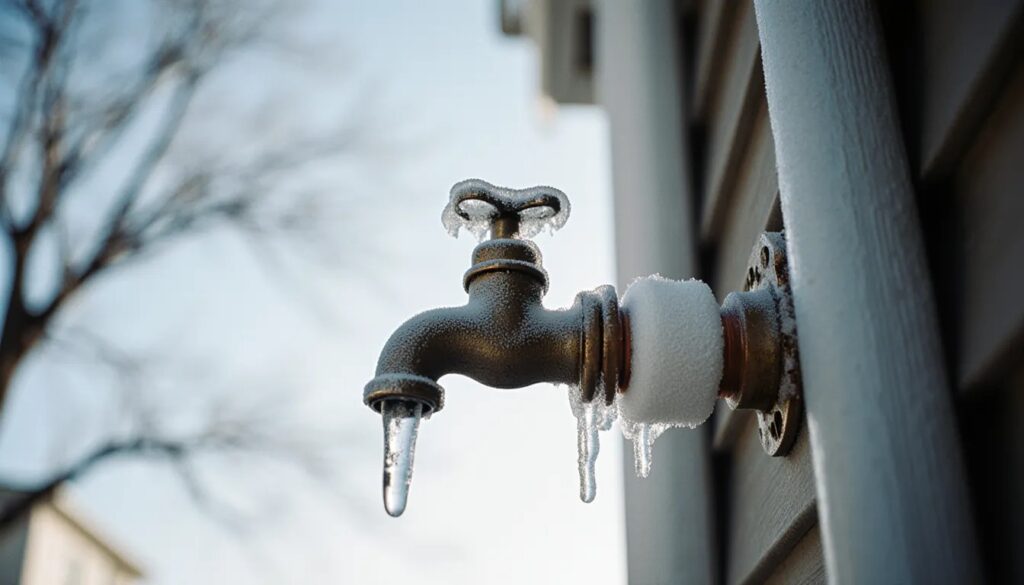
Plumbing is built for ordinary conditions, and extreme weather is exactly when it gets tested. A hard freeze, a heat wave, a hurricane, or a drought each stresses your pipes in a different way — and each has its own short list of things a homeowner can do to avoid an expensive failure.
This guide walks through the seasons and regions that cause the most plumbing trouble, and the practical steps that keep water where it belongs.
Quick Answer
In extreme cold, keep the home heated, insulate exposed pipes, let a faucet drip, and disconnect outdoor hoses to prevent freezing and bursts. In heat and drought, watch for shifting soil and slab leaks. Before hurricanes and floods, shut off water if you evacuate and protect against sewer backflow. The common thread: know where your main shutoff valve is and act before the weather does the damage.
Extreme cold: the freeze-and-burst risk
Freezing is the most destructive weather event for plumbing because water expands as it freezes and ruptures the pipe — often at a spot you cannot see until it thaws and floods. This is not only a northern problem; some of the worst burst-pipe events happen in normally mild regions like Texas, where homes and pipes are not built for deep cold. Before and during a freeze:
- Keep the heat on — at least around 55°F even if you are away.
- Insulate exposed pipes in garages, crawlspaces, attics, and along exterior walls with foam sleeves or heat tape.
- Let a faucet drip during a hard freeze; moving water resists freezing and relieves pressure.
- Open cabinet doors under sinks on exterior walls to let warm air reach the pipes.
- Disconnect and drain garden hoses and shut off/insulate outdoor spigots.
- Know your main shutoff so you can stop a burst fast if one happens.
Heat and drought: shifting soil and slab leaks
Prolonged heat and drought dry out and shrink the soil around and under your foundation. As the ground shifts, it stresses buried supply lines and pipes running through a slab — a leading cause of slab leaks in regions like Texas, California, and the Southwest. Warning signs include an unexplained jump in the water bill, a warm spot on the floor, the sound of running water when everything is off, or a foundation crack. Catching a slab leak early keeps it from undermining the foundation. Keeping soil evenly moist around the foundation during long dry spells can reduce the movement that causes it.
Hurricanes and flooding: backflow and contamination
Coastal and low-lying homes face a different threat: water coming the wrong way. Heavy rain and storm surge can overwhelm municipal sewers and push sewage backward into the lowest drains in your home. Before a storm:
- If you evacuate, shut off the main water supply to prevent a failure while you are gone.
- Consider a backwater valve if you are in a flood-prone or low-lying area — it lets sewage out but not back in.
- Never use plumbing if you suspect the line is compromised or the water supply is under a boil advisory.
- After the storm, watch for contaminated water and have lines checked before assuming they are safe.
A sewer backup endorsement on your policy matters here — standard homeowners insurance usually excludes backups. Our guide on what homeowners insurance covers explains the gaps.
Regional quick reference
Different regions face different weather-plumbing risks: freeze-and-burst across the North and, increasingly, the South after severe cold snaps; slab leaks and soil movement through Texas, California, and the arid Southwest; hurricane backflow and corrosion along the Gulf and Atlantic coasts; and combined-sewer backups in older Northeastern cities during heavy rain. Tie your prevention to the weather your area actually gets.
A real-world moment
During a rare deep freeze, a family in a normally mild climate loses power and heat for two days. The house was never built for it — no pipe insulation, pipes run through an unheated garage wall. When the thaw comes, a cracked line behind the drywall floods the kitchen. A neighbor who left one faucet dripping and cracked the garage-side cabinet open came through untouched. Same storm, same street, very different outcome — decided by a few dollars of preparation.
Mistakes to avoid
- Turning the heat completely off when leaving a home in winter.
- Assuming a mild climate means freezes will not happen — the worst damage often hits unprepared regions.
- Ignoring a rising water bill during a drought, which can be an early slab-leak signal.
- Skipping a sewer backup endorsement in a flood-prone area.
- Not knowing where the main shutoff valve is before the emergency starts.
Frequently asked questions
At what temperature do pipes freeze?
Pipes are at risk when temperatures drop to around 20°F or below, especially if they are exposed or in unheated spaces. The longer the cold lasts, the higher the risk. Insulation, dripping faucets, and keeping the home heated all reduce it.
Should I let my faucets drip in a freeze?
Yes. Letting a faucet drip during a hard freeze keeps water moving, which resists freezing, and relieves the pressure that actually bursts a pipe if ice does form. A slow trickle from the faucet farthest from where the line enters the home is enough.
What causes a slab leak?
Slab leaks come from pipes under or within a concrete foundation failing, often due to corrosion, abrasion, or soil shifting during heat and drought. Signs include a spiking water bill, a warm spot on the floor, or the sound of running water when nothing is on.
How do I protect plumbing before a hurricane?
If you evacuate, shut off the main water supply. In flood-prone areas, consider a backwater valve to prevent sewage backflow, and confirm you have a sewer backup endorsement on your insurance. After the storm, have lines checked before assuming the water is safe.
Does homeowners insurance cover frozen pipe damage?
It often covers sudden damage from a frozen pipe that bursts, but many insurers deny claims if the home was left unheated or the damage resulted from neglect. Keeping the heat on and taking reasonable precautions protects both your pipes and your claim.
The bottom line
Extreme weather does not have to mean a plumbing disaster. Match your preparation to your climate — insulate and drip in the cold, watch for slab leaks in heat and drought, guard against backflow before storms — and above all, know where your main shutoff is. A little seasonal attention prevents the failures that cost the most.
Need a plumber before or after severe weather? Browse plumbers on Powered By The People and compare them with real, aggregated reviews. Related: burst pipe emergency guide, signs of a hidden water leak, and how water damage spreads in humid climates. More in the plumbing section.